
PROGRAMS
Exciting STEM Projects
Advanced technology and concepts made fun and accessible
At Elevation, we believe that STEM projects should provide excitement and fun, as well as technical depth and industry relevancy. To reach this goal, we have selected three of the most compelling subject areas for our programs. Each of these subjects are not only representative of three of the most pervasive commercial market segments, the technology and concepts presented also cross over to many other unrelated industry segments. For example, the analog to digital signal technology in the simulation programs directly correlates with the sensor technology used in MIDI digital instruments such as electronic drums, digital pianos, and wearable instruments. Perhaps the most important aspect of these programs is the desire for participation that they instill into young learners.
Any of these programs can be modified to increase or decrease difficulty to fit different skill levels and learning objectives.
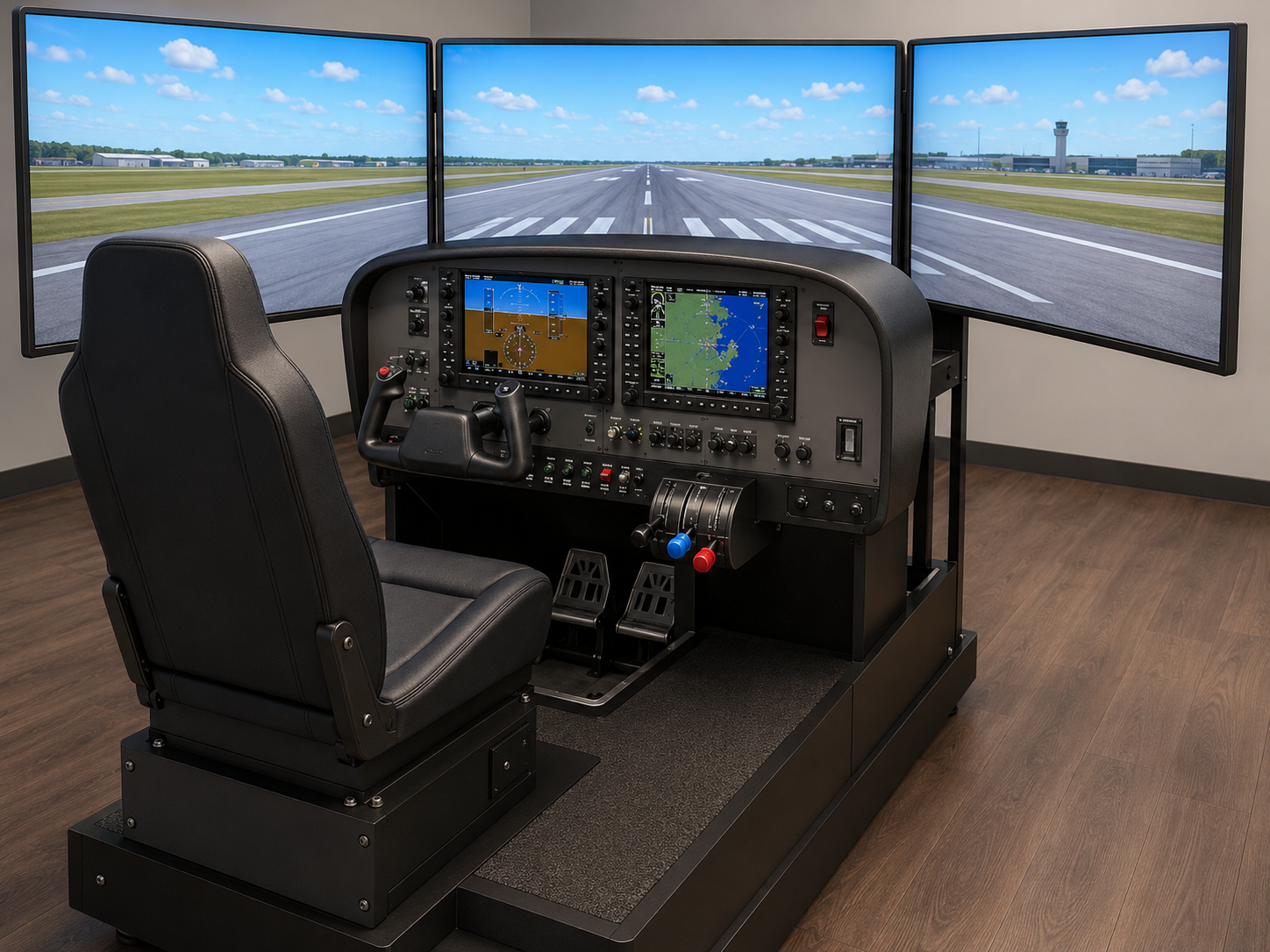
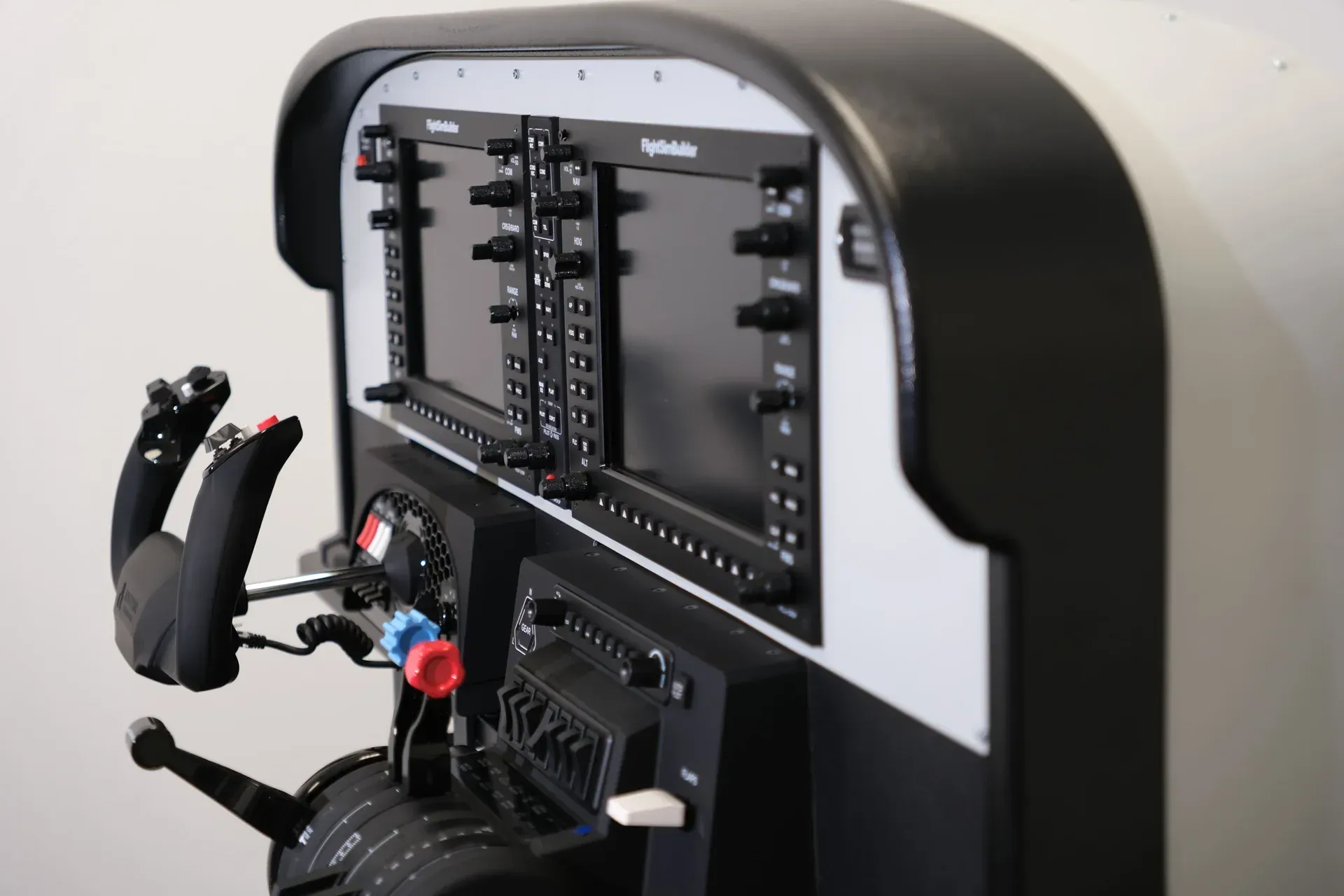
Flight Simulation
Building a working flight simulator gives students the opportunity to experience STEM as an integrated, real-world engineering project. Mechanical systems, electronics, instrumentation, software, fabrication, aerodynamics, and human-machine interfaces must all work together to create a functioning system. Elevation's program guides students through the design, construction, integration, testing, and improvement of a working simulator while allowing additional capabilities and modules to be incorporated as the project develops. The result is more than a classroom exercise—it is an immersive technical experience that helps students understand how complex systems are actually engineered, validated, and used.
Real-World Engineering Experience
Students design, build, assemble, wire, integrate, and test working simulator systems, applying engineering principles through the same iterative problem-solving processes used in real technical environments.
Integration of Multiple STEM Fields
Flight simulation brings together mechanical design, electronics, instrumentation, computer systems, software, aerodynamics, physics, mathematics, and fabrication, allowing students to see how individual STEM disciplines interact within a complete system.
Development of Problem-Solving and Critical-Thinking Skills
From wiring controls and configuring instrumentation to integrating software and troubleshooting system behavior, students must diagnose problems, evaluate alternatives, test solutions, and improve their designs.
Hands-On Learning and Engagement
Students learn by building, testing, observing results, and making changes. Concepts that can seem abstract in the classroom become tangible when students can see how their work affects a functioning system.
Connection to Real-World Applications
Elevation programs are designed to connect student projects with authentic aviation, engineering, simulation, and technical practices. Where appropriate, students can also be introduced to real-world standards, documentation, testing, and operational requirements.
Exposure to Aviation and Technology Careers
Students gain insight into aviation, aerospace, engineering, electronics, software, manufacturing, simulation technology, and other technical careers while seeing how those disciplines work together.
Collaboration and Project Management Skills
Building a complex simulator requires teamwork, planning, task coordination, documentation, budgeting, configuration management, and time management—skills that are fundamental to successful technical projects.
Encouragement of Innovation
Students can refine controls, instrumentation, interfaces, software, and system configurations while exploring ways to improve capability, usability, reliability, and realism.
Immediate Feedback and Measurable Results
Testing provides immediate evidence of whether a design or integration decision works. Students can evaluate performance, identify problems, make corrections, and validate improvements through an iterative engineering process.
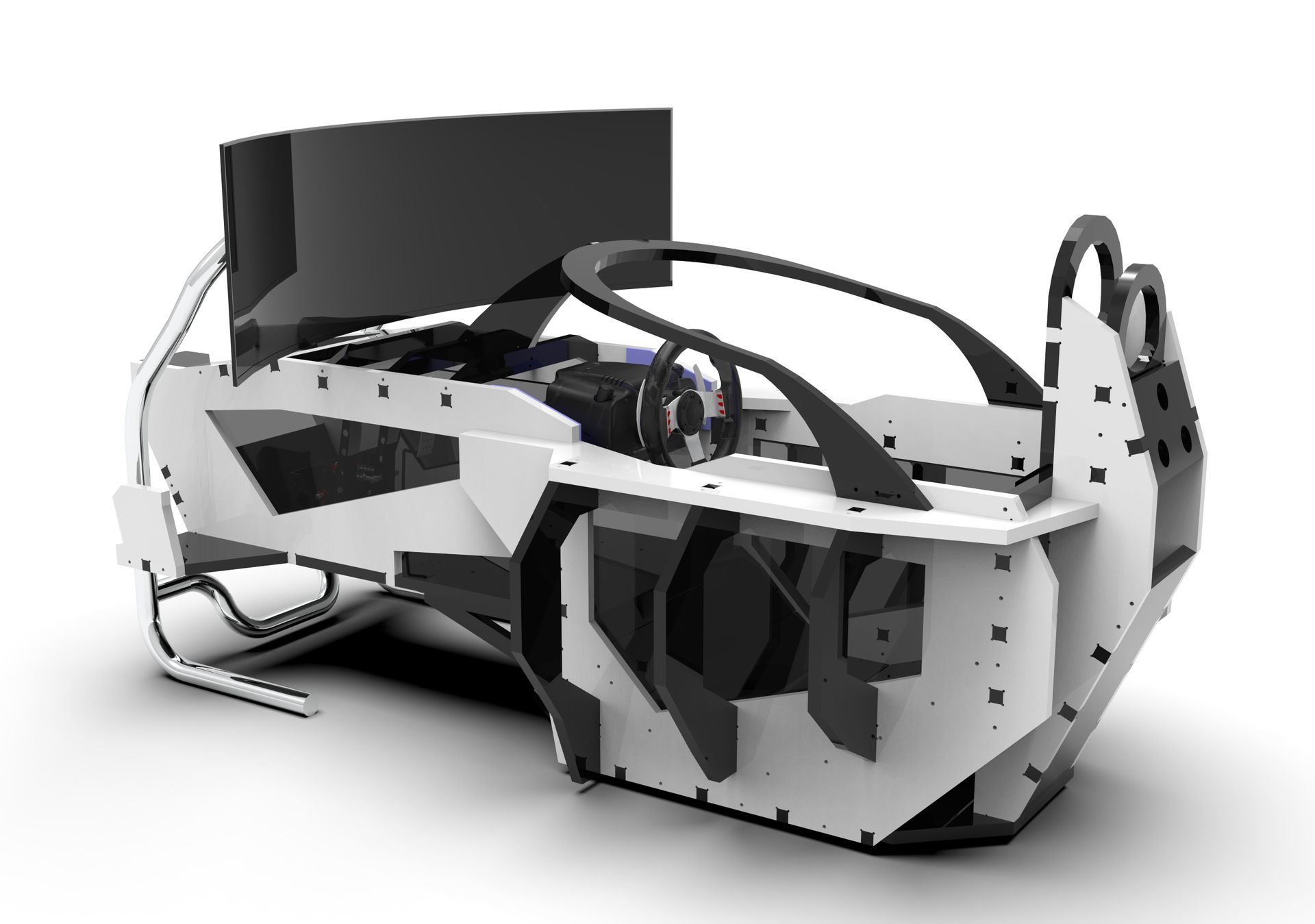
Formula Racing Simulation
Building a working Formula One (F1) racing simulator is an engaging STEM project that brings engineering, technology, and mathematics to life in a high-speed, hands-on way. This project offers students a chance to combine creativity, problem-solving, and real-world applications while learning about the science behind racing. Overall, building a Formula One racing simulator is more than a technical exercise—it’s an immersive STEM project that inspires creativity, fosters practical skills, and prepares students for careers in engineering, technology, and beyond.
Real-World Engineering Experience
Designing a racing simulator involves mechanical systems, electronics, and software integration—mirroring the multidisciplinary work of automotive engineers and F1 teams.
Application of Physics and Mathematics
Students learn concepts like force, friction, acceleration, and aerodynamics, applying them to vehicle handling and racing dynamics in a practical context.
Hands-On Programming Skills
Creating the simulator’s software, from motion control to telemetry data tracking, teaches coding, sensor integration, and real-time system management.
Problem-Solving and Critical Thinking
Building a simulator requires troubleshooting, testing, and iterative improvements, helping students develop resilience and analytical skills.
Exposure to STEM Careers in Motorsport and Technology
Students gain insight into careers in automotive engineering, robotics, simulation technology, and data analytics—all growing STEM fields.
Teamwork and Project Management
Collaborating on design, construction, and software development enhances teamwork, planning, and project management skills.
Creativity and Innovation
From designing the cockpit to fine-tuning controls, students can experiment with innovative solutions to improve realism, performance, and user experience.
Interactive Learning and Immediate Feedback
Every lap in the simulator provides instant feedback on vehicle behavior and system performance, reinforcing learning through practical experimentation.
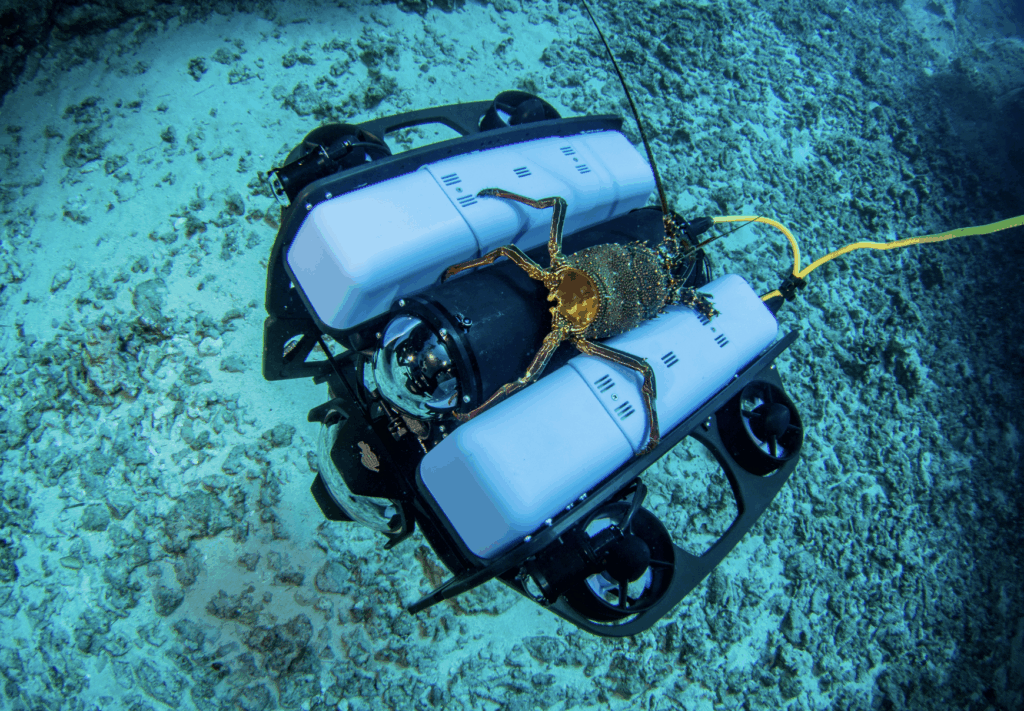
Remote Underwater Vehicle
Building a working subsea ROV is an exciting STEM project that combines engineering, technology, and scientific exploration. It challenges students to think critically and apply real-world skills while exploring the underwater world. A marine based project adds additional challenges to the engineering process as compared to aviation and motorsport projects due to the increased environmental demands including pressure, watertightness, corosion, and vicous fluid hydrodynamics. Building a subsea ROV is more than a project—it’s a hands-on STEM adventure that teaches engineering, problem-solving, and teamwork, all while inspiring curiosity about the world beneath the waves.
Hands-On Engineering Experience
Students learn mechanical, electrical, and software engineering as they design propulsion systems, manipulators, and waterproof enclosures for the ROV.
Application of Physics and Mathematics
The project reinforces principles like buoyancy, fluid dynamics, and force, showing students how math and physics operate in practical underwater conditions.
Programming and Control Systems
Developing the ROV’s control software introduces students to coding, sensor integration, and real-time system feedback.
Problem-Solving and Critical Thinking
Navigating underwater obstacles and fine-tuning controls encourages iterative thinking, troubleshooting, and innovation.
Exposure to STEM Careers
Students gain insight into careers in marine engineering, robotics, environmental science, and oceanography.
Teamwork and Project Management
ROV projects often involve collaboration, budgeting, and scheduling, helping students develop teamwork and organizational skills.
Creativity and Innovation
Students can experiment with design, propulsion, and tools, fostering creativity and inventive solutions for real-world challenges.
Experiential Learning and Immediate Feedback
Testing the ROV underwater provides immediate results, helping students learn through observation, adjustment, and repeated trials.
— SUPPORT OUR KIDS!
YOUR Donation Matters!
Help Elevation expand access to meaningful, hands-on STEM/STEAM learning. Your support helps us develop programs, build instructional systems, and bring real-world technical experiences directly to students, schools, and communities.